

Introduction to Photography Tip 66
If you’re serious about leveling up your outdoor shots, photography tip 66 is a game-changer: use a polarizer filter outdoors. This simple yet powerful piece of gear can turn a dull, washed-out photo into something vibrant, full of depth, and truly eye-catching. Whether you’re into landscapes, street shots, or even wildlife photography, knowing how to use a polarizer filter can make a night-and-day difference for your Photography Tips audience.
What is a Polarizer Filter?
At its core, a polarizer filter is a piece of glass that attaches to the front of your lens. Its job? To control light in ways your eyes naturally can, but your camera cannot.
The Science Behind Polarization
Think of light as tiny waves bouncing all around. When these waves reflect off surfaces like water or glass, they often create glare. A polarizer filter works like a pair of polarized sunglasses, cutting down that glare and letting you capture a scene more accurately.
Different Types of Polarizer Filters
- Linear polarizers – effective but not always compatible with modern autofocus cameras.
- Circular polarizers – designed for today’s DSLRs and mirrorless systems. They rotate, allowing you to fine-tune the effect depending on the angle of the sun.
Why a Polarizer Filter is Essential for Outdoor Photography
Let’s break down why this tool is so essential for your outdoor photography kit.
Cutting Through Reflections
Ever tried shooting through a car window, or capturing a pond, only to see annoying reflections block the view? A polarizer eliminates those distractions, letting the true subject shine through.
Enhancing Sky Contrast
On bright days, skies often look pale and washed out in photos. A polarizer darkens the blue while making clouds pop, giving your image that dramatic postcard-worthy look.
Boosting Natural Colors
Greens look greener, blues look richer, and reds appear more vibrant. A polarizer reduces the haze that can dull your colors, especially in wide landscapes.
Controlling Glare on Water and Glass
Instead of a shiny surface, you’ll see the textures beneath. Perfect for capturing underwater rocks, fish, or just the natural depth of a scene.
How to Use a Polarizer Filter Outdoors
Using a polarizer is simple, but mastering it takes practice.
Correct Angle for Maximum Effect
The magic happens when the sun is at a 90-degree angle to your camera. If you’re pointing directly toward or away from the sun, the effect is minimal.
Adjusting for Lighting Conditions
Rotate the polarizer until you see the reflections fade or the sky deepen in your viewfinder. Each twist changes how the filter interacts with light.
Avoiding Common Mistakes
- Over-rotating can make skies look unnaturally dark.
- Uneven polarization may occur with ultra-wide lenses, giving the sky a patchy look.
- Using it in low light can force you to raise ISO or slow your shutter speed.
Situations Where a Polarizer Filter Works Best
Landscape Photography
Mountain ranges, forests, and deserts all benefit from richer colors and clearer details.
Water and Beach Scenes
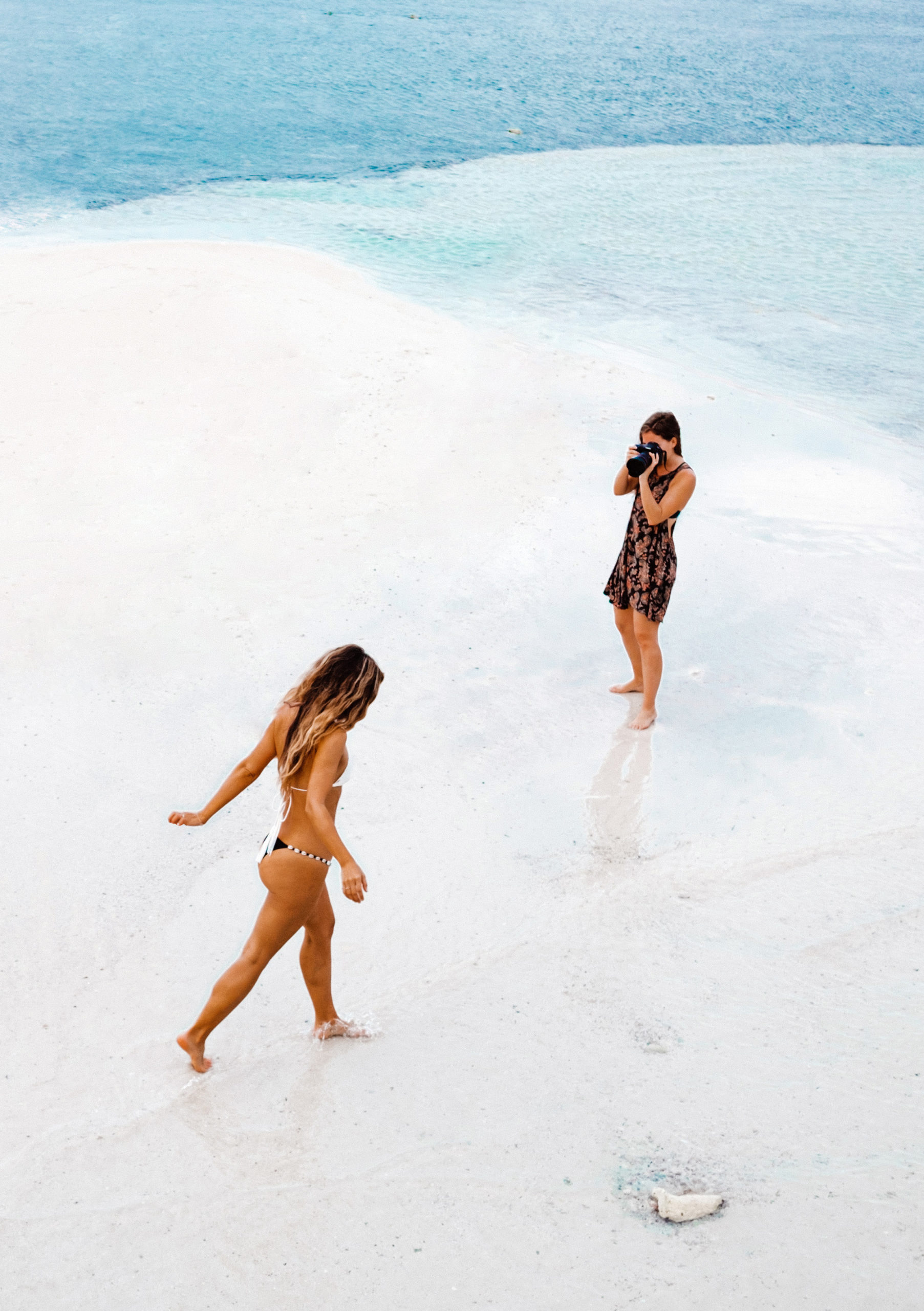
Capture the turquoise clarity of tropical waters without the blinding glare.
Urban Street Photography
Remove window reflections to shoot through storefronts or glass buildings.
Wildlife and Nature Close-ups
Great for photographing animals near water or flowers with shiny petals.
Limitations of Polarizer Filters
Low-Light Challenges
Since a polarizer reduces the amount of light entering your lens (usually 1–2 stops), it’s not ideal for early mornings, evenings, or indoor shots.
Wide-Angle Lens Issues
When shooting a wide blue sky, the effect may look uneven across the frame, creating dark patches.
Choosing the Right Polarizer Filter
Circular vs. Linear Polarizers
Most modern photographers stick to circular polarizers because they play nicely with autofocus and metering systems.
High-Quality vs. Budget Filters
Cheap filters may reduce sharpness and add unwanted color casts. Investing in a quality filter from brands like B+W, Hoya, or Tiffen is worth every cent.
Maintenance and Care for Your Polarizer
Cleaning Tips
Use a microfiber cloth and lens-safe solution. Avoid wiping it with your shirt; scratches ruin the coating.
Storage Recommendations
Keep it in a padded case or your camera bag’s filter holder. Moisture and dust can shorten its lifespan.
Alternative Techniques Without a Polarizer
Post-Processing Adjustments
While editing software like Lightroom can boost colors and contrast, it can’t fully remove glare. That’s why a polarizer is still irreplaceable.
Using Natural Angles and Shadows
Positioning yourself to shoot with the sun at an angle can help minimize reflections, even without a filter.
Expert Tips for Mastering Polarizer Filters
Combine with ND Filters
For silky waterfall shots, stack an ND filter with your polarizer to slow your shutter while cutting glare.
Use in Different Weather Conditions
Polarizers aren’t just for sunny days—they help on overcast days too by reducing haze and boosting contrast.
Conclusion
So there you have it—photography tip 66 is all about harnessing the power of a polarizer filter outdoors. With this simple tool, you can cut through glare, enhance skies, and make your colors pop. It’s like giving your camera a pair of sunglasses designed for creativity. Next time you’re out shooting landscapes, city streets, or lakes, try it—you’ll instantly see the difference.
FAQs
Q1: Can I leave a polarizer filter on my lens all the time?
Not really. While it protects your lens, it also cuts light, so it’s best to use it only when needed.
Q2: Does a polarizer affect autofocus?
Circular polarizers are designed for modern cameras, so autofocus works just fine.
Q3: Can I use a polarizer filter with a smartphone camera?
Yes! Clip-on smartphone polarizers exist and can improve mobile photography.
Q4: Will a polarizer make my photos look too dark?
It reduces light by 1–2 stops, but you can adjust ISO or shutter speed to compensate.
Q5: Do polarizers work at night?
No, they’re ineffective at night since there’s no glare from sunlight to cut through.
For more practical tutorials and step-by-step gear guides, explore CameraTale.com — your go-to hub for photographers. Stay inspired and creative; every shot tells a story.