

Looking for a game-changing photography tip that doesn’t require expensive gear? Here it is—Photography Tip #7: Make Use of Natural Light. This is one of those secret weapons many professionals swear by, and once you master it, your shots will look like they belong in a magazine.
Let’s dive into how you can unlock the magic of natural light to improve your photography—no matter your experience level.
Why Natural Light is a Photographer’s Best Friend
Natural light is free, ever-changing, and incredibly versatile. It brings out the true colors in your subject, adds mood, and can dramatically transform your images with the slightest shift in time or angle.
Think of it as Mother Nature’s built-in lighting kit—constantly evolving, and always offering something new.
Types of Natural Light and Their Impact
Golden Hour
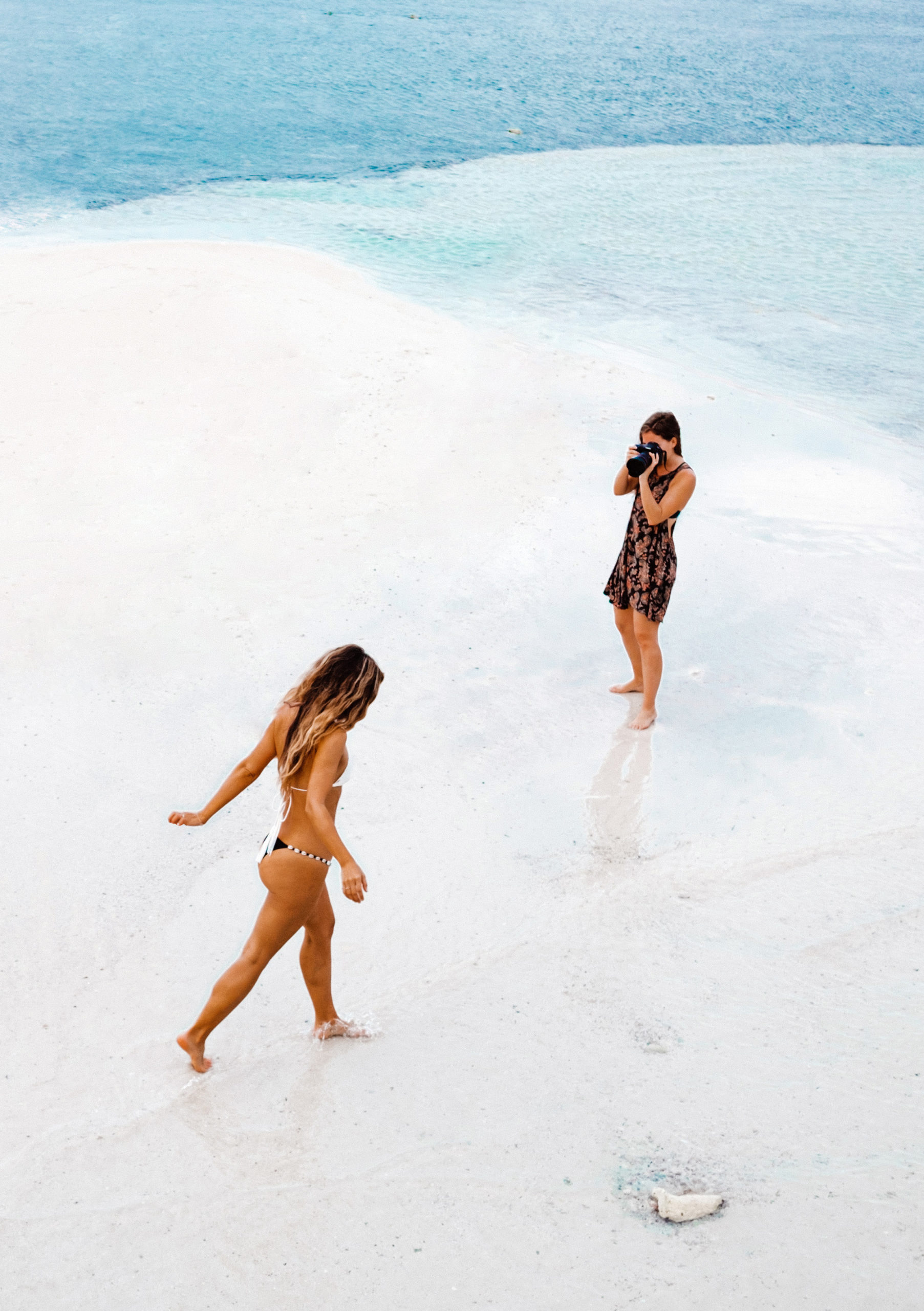
That magical time right after sunrise or just before sunset. The light is soft, warm, and flattering for nearly every subject.
Golden Hour is like nature’s Instagram filter—perfect for portraits, landscapes, or anything that needs a gentle glow.
Blue Hour
Occurs just before sunrise and after sunset. It gives your shots a cool, moody tone that’s perfect for cityscapes or dramatic scenes.
Harsh Midday Sun
Usually considered a challenge, but it can add strong contrast and deep shadows if used creatively—great for black and white photography or dramatic portraits.
Overcast Skies
Soft, diffused light with no harsh shadows. Ideal for portraits and product photography. It’s nature’s softbox!
How to Position Your Subject Using Natural Light
Front Lighting
The light hits the subject straight on. It brings out the details but can look flat if not balanced correctly.
Side Lighting
Creates depth, contrast, and texture—excellent for adding drama and mood to your images.
Back Lighting (Silhouettes)
Light from behind your subject can create dreamy halos or dramatic silhouettes. It’s perfect for storytelling or emotional impact.
Indoors? Here’s How to Make Natural Light Work for You
Even inside, natural light is your friend—you just need to know where to find it.
Window Light is Gold
Set your subject near a window. The closer you are, the softer and more flattering the light. Play with angles to find the sweet spot.
Sheer Curtains for Softness
Too bright? Use sheer curtains to diffuse the light. It’ll soften shadows and give your subject a lovely glow—no need for reflectors.
Natural Light vs Artificial Light – What’s the Real Deal?
Natural light is unpredictable but offers character and realism. Artificial light gives control but can feel cold or staged if not handled properly.
Bottom line: If you’re just starting out, master natural light first. It builds your skills and teaches you to read the light before relying on gadgets.
Common Mistakes to Avoid When Using Natural Light
Shooting at the Wrong Time
Midday might seem like the perfect time to shoot, but the sun is often too harsh. Know your light and plan your shoot around it.
Ignoring Shadows
Shadows can be your best friend—or your worst enemy. Use them to your advantage, or they’ll ruin your shot.
Camera Settings for Best Natural Light Shots
ISO Tips
Keep ISO as low as possible to avoid grain. Raise it only when needed—like during golden hour or indoors.
Aperture for Natural Light
Use a wide aperture (like f/1.8 or f/2.8) to let in more light and blur the background for that creamy bokeh effect.
White Balance Adjustments
Don’t let your colors look off. Use the daylight preset or custom white balance for more accurate tones.
Natural Light in Different Photography Genres
Portrait Photography
Soft side lighting or golden hour glow adds dimension and warmth to faces. Try shooting from different angles for natural catchlights in the eyes.
Street Photography
Overcast days are ideal for this. Natural light keeps things realistic and raw, capturing everyday life in its truest form.
Food Photography
Shoot near a window with diffused light. You’ll get clean, mouthwatering shots without unwanted color casts.
Pro Tips to Enhance Natural Light Shots
Reflectors and Diffusers
Use white cards, mirrors, or purpose-built reflectors to bounce light and fill shadows. A sheer scarf or umbrella can serve as a quick diffuser.
Use Natural Light Creatively
Break the rules. Shoot against the sun, embrace lens flares, or let shadows fall naturally. Art lives in experimentation.
Practice Makes Perfect – Get Outside and Shoot!
The best way to master natural light? Go out and practice. Take your camera during different times of the day. Try shooting the same subject in morning light, at noon, and during sunset.
Notice how the light changes the mood, the colors, and the emotion of your photos. That’s the magic right there.
Conclusion
Photography Tip #7: Make Use of Natural Light isn’t just about lighting—it’s about awareness, timing, and creativity. You don’t need a fancy flash or studio lights. Sometimes, all you need is a window or a walk outside at the right time.
So grab your camera, chase the light, and tell your story.
FAQs
What time of day is best for natural light photography?
Golden Hour (just after sunrise or before sunset) offers soft, warm, and flattering light that’s ideal for most types of photography.
Can I shoot indoors with natural light only?
Absolutely! Position your subject near windows and use sheer curtains to diffuse harsh sunlight. It creates beautiful results.
What’s the biggest mistake beginners make with natural light?
Relying on midday sun without considering its harshness. Always observe the shadows and adjust your timing or angles.
How can I control harsh sunlight in photos?
Use reflectors to bounce light, shoot in shaded areas, or wait for golden/blue hours. Overcast weather is also a great alternative.
Does natural light change camera settings?
Yes. You’ll need to adjust ISO, shutter speed, and aperture depending on the intensity and direction of the light. Always shoot in manual or aperture priority for more control.
📌 Tip From CameraTale.com:
Want to master more real-world tips like this? At CameraTale.com, we break down complex techniques into practical, easy-to-follow advice for hobbyists and pros alike.🔥 Discover more tips, tricks, and tutorials to grow your photography skills naturally—only at CameraTale.com!