
Ever snapped a picture indoors only to end up with harsh shadows, blown-out highlights, or that dreaded red-eye? Let me guess — you used your flash. Don’t worry, we’ve all been there. Photography Tip #6 is all about one simple piece of advice that can instantly level up your photos: Avoid using the flash indoors.
Why This Tip Matters
Indoor photography can be tricky. The light is often low, and it’s tempting to flip on your flash and hope for the best. But here’s the truth: your built-in flash is doing more harm than good.
Flash vs Natural Light: What’s the Real Deal?
While flash seems like a handy tool to brighten your scene, it’s not the best friend of your photo’s mood. Natural or ambient lighting, on the other hand, creates warmth, depth, and emotion — something flash rarely delivers.
The Problem with Indoor Flash
Let’s break down why that little pop of light can sabotage your shots.
Harsh Shadows and Overexposure
A built-in flash often produces a narrow beam of harsh light directly onto your subject. This creates sharp, unnatural shadows and uneven lighting. Not exactly Instagram-worthy.
Washed-Out Colors
Flash tends to overpower the natural colors in a scene, turning skin tones ghostly and backgrounds dull. That cozy café vibe? Gone in a blink of light.
Flat, Lifeless Photos
One of the biggest killers of great photos is flat lighting — and that’s exactly what direct flash gives you. No depth, no drama, just… meh.
How to Take Better Indoor Photos Without Flash
So, how do you tackle low light indoors while still snapping stunning photos? Here’s the good stuff.
Use Available Light Creatively
Light is everywhere — you just need to see it like a photographer.
Window Light is Your Best Friend
Natural light from a window is soft, directional, and free. Position your subject near a window and let that golden glow do the magic.
Use Lamps and Ambient Light
Household lamps, fairy lights, candles — they all add mood and warmth. Use them strategically to add interest and light to your scene.
Adjust ISO Settings
Boosting your ISO increases your camera’s sensitivity to light. Sure, higher ISO can introduce some grain, but modern cameras handle it pretty well up to 1600 or 3200. Grainy beats flashy any day.
Slow Down the Shutter Speed
Want more light? Slow your shutter. A slower shutter speed lets more light hit the sensor. Just remember — the slower the speed, the steadier your hand needs to be.
Use a Tripod for Stability
If you’re going the slow-shutter route, a tripod is your best friend. It keeps your camera stable so you can shoot at slower speeds without blur. Bonus: it makes you look super pro.
Bonus Tricks for Indoor Photography
Reflectors and White Walls
Bounce light using white walls, reflectors, or even a sheet of paper. Reflectors help fill in shadows and give your photos a balanced look without artificial lighting.
Post-Processing Can Save the Day
Apps like Lightroom or Snapseed can fix underexposed photos, reduce noise, and bring back the vibe. Just don’t overdo it — we’re enhancing, not transforming.
Invest in a Prime Lens
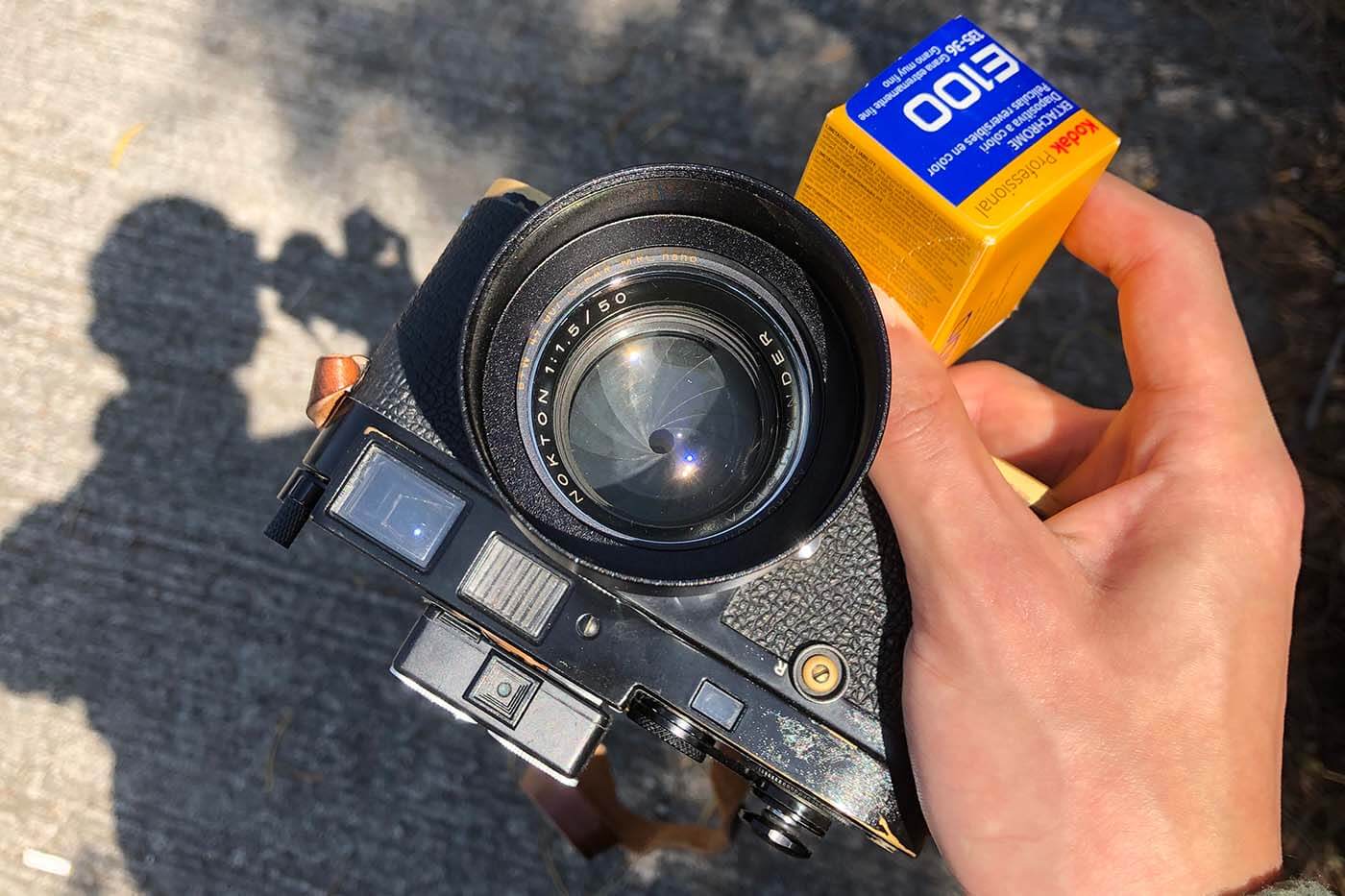
A 50mm f/1.8 lens (a.k.a. the nifty fifty) is a budget-friendly game-changer. It lets in loads of light and creates that dreamy blurry background.
When (and How) to Use Flash Indoors – The Exception Rule
Okay, okay — sometimes flash is necessary. Weddings, events, or pitch-dark rooms can call for some artificial help. But there’s a better way to flash.
Bounce Flash Techniques
Instead of aiming your flash at your subject, bounce it off the ceiling or a wall. This diffuses the light and softens shadows.
Diffusers: Soften That Light!
A flash diffuser spreads out the light, making it less harsh. Think of it as putting a lampshade over a bulb — same idea.
Real-Life Examples and Comparisons
Let’s paint a picture (literally).
Example 1: Portrait by Window vs Flash Portrait
Window-lit portrait? Soft skin tones, glowing highlights, natural vibes. Flash portrait? Flat face, weird shadows, zero depth.
Example 2: Candlelit Dinner with Flash vs Without
With flash: blown-out food, red eyes, romantic vibe killed. Without flash (but higher ISO and slow shutter): warm glow, cozy scene, mood on point.
Final Thoughts
Here’s the truth: avoiding flash indoors isn’t just a technical tip — it’s a creative choice. You’re choosing mood over mediocrity, emotion over exposure. And trust me, your photos will thank you.
Photography Tip #6 might seem simple, but it’s one of those small changes that can have a massive impact. Experiment, play with light, and trust your eye.
FAQs
Q1. Is it ever okay to use flash indoors?
Yes — but only if you’re using it creatively, like bouncing it off walls or using a diffuser. Avoid direct flash whenever possible.
Q2. What camera settings should I use indoors without flash?
Start with a wide aperture (like f/1.8), higher ISO (800–3200), and slower shutter speeds (1/60s or slower). Use a tripod if needed.
Q3. What if my photos are too dark without flash?
Try repositioning your subject closer to a light source, increase ISO, or use editing tools to brighten the photo in post.
Q4. Does using a smartphone camera change this tip?
Not really. Even smartphone flashes are harsh. Instead, use night mode, hold steady, or use ambient light for better results.
Q5. Can I use external lights instead of flash?
Absolutely! LED panels, softboxes, and even lamps offer better control and results than built-in flash.
📸 CameraTale.com is your go-to source for photography tips, gear reviews, and expert advice.
🎯 Discover practical guides and real-world insights at CameraTale.com — snap smarter, shoot better!