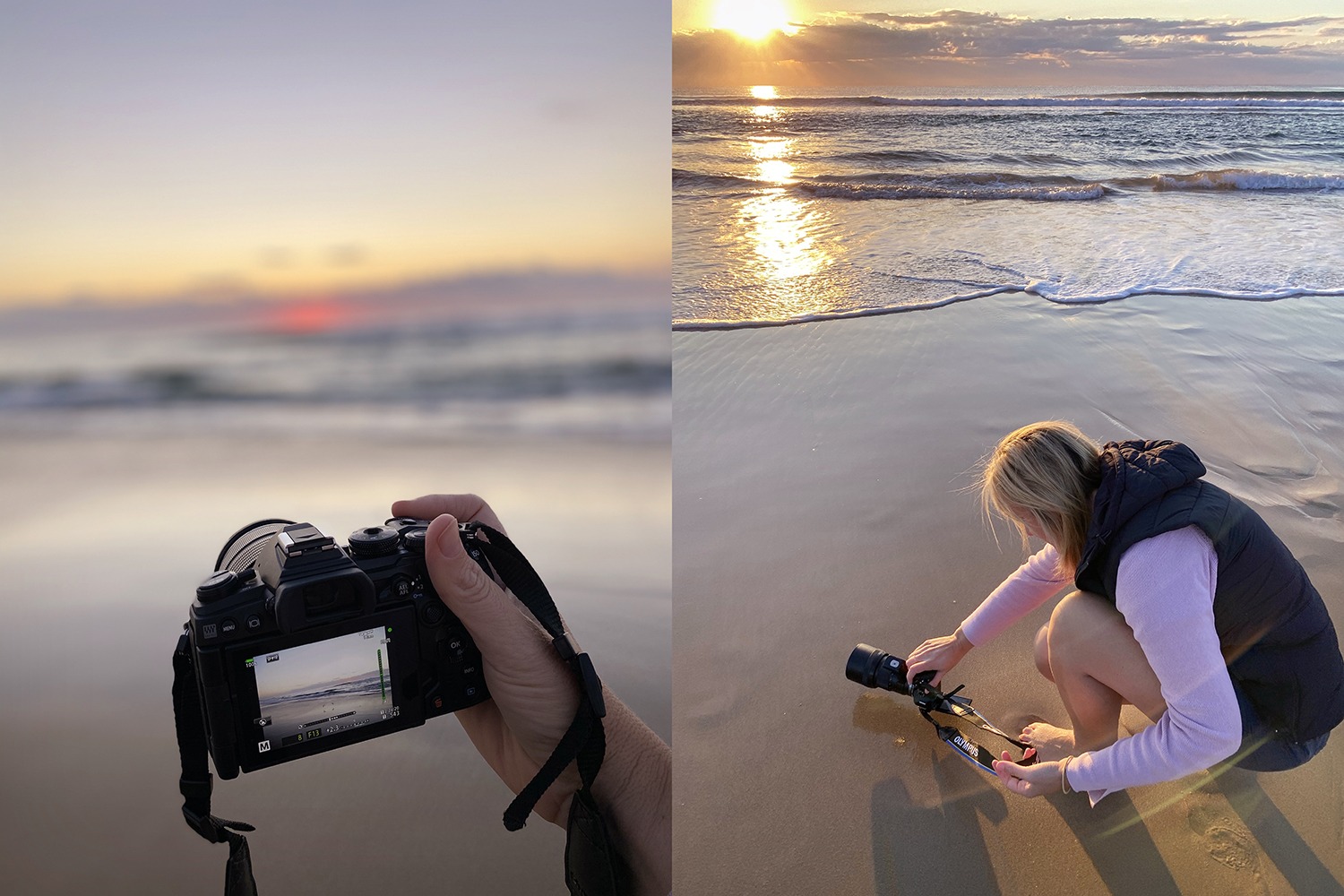

Ever wonder why some photos just hit differently? It’s not always about the camera or lens—it’s often the angle. Welcome to Photography Tip #5: Experiment with Different Angles—a game-changer in your creative journey.
Let’s break away from the basic point-and-shoot and dive into how angles can completely transform your photography tip 5.
Why Angle Matters in Photography
Angle isn’t just where you place your camera—it’s how your viewer experiences the scene. It shapes perception, adds depth, and injects drama or intimacy into a shot.
Think of it this way: photographing your dog from above says “cute and small,” but from below? Suddenly your Shih Tzu looks like a king surveying his kingdom.
What Is “Experimenting with Angles”?
It’s More Than Just Tilting the Camera
Experimenting with angles means breaking free from eye-level shots and exploring how positioning changes mood, composition, and visual narrative.
Angle vs Perspective
These terms get tossed around a lot. In simple terms:
- Angle = where you shoot from.
- Perspective = how depth and space appear in your shot.
Angles create perspective. It’s a subtle but powerful difference.
The Science Behind Angles
Let’s go through the most common types of camera angles and what they do:
Eye-Level Shots
Neutral and natural. This is the go-to, but it can be… a little boring unless the subject or lighting is exciting.
High-Angle Shots
Taken from above. These angles often make subjects appear small, vulnerable, or insignificant.
Low-Angle Shots
Looking up at your subject. This adds power, dominance, or drama. Think superhero movie posters.
Bird’s Eye View & Worm’s Eye View
- Bird’s Eye View: Directly overhead—great for flat lays or symmetrical compositions.
- Worm’s Eye View: From ground level, looking up. Super immersive for architecture or tall subjects.
How Angles Influence Emotion and Storytelling
Imagine shooting a child from eye level vs. crouching down to their height. The first feels observational. The second? Intimate and personal.
That’s the power of angle. It’s not technical—it’s emotional.
Practical Ways to Experiment with Angles
You don’t need fancy gear. Just move your body!
Get Down Low
Lay on the ground or crouch to give a new perspective—especially cool in portraits, pets, and street photography.
Climb Up High
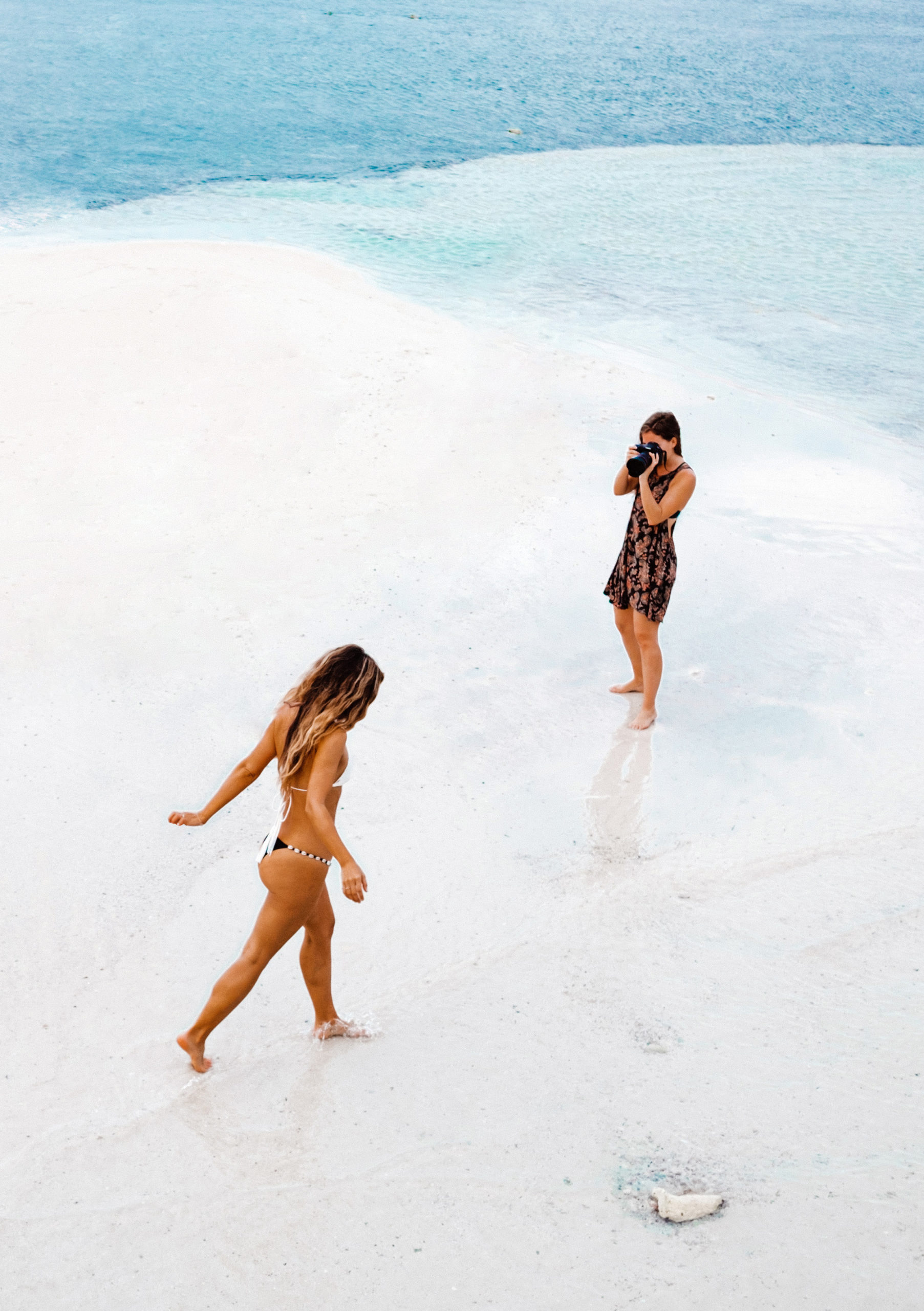
Use stairs, a ladder, or even a chair. Shooting down on your subject can simplify the background and highlight shapes.
Tilt Your Camera (Dutch Angle)
Also called “oblique angle,” this adds tension or unease—perfect for creative or dramatic shots.
Over-the-Shoulder Shots
Great for storytelling. It puts your viewer into someone else’s shoes—awesome for lifestyle, travel, or candid shots.
Tips for Using Angles in Portrait Photography
Portraits are all about connection, and angles make all the difference:
- From below: Adds power or confidence (great for editorial vibes).
- From above: Softens features (flattering for close-ups).
- Side angles: Highlight profile or contours (fashion-style portraits).
Play with different angles during a session. Your best shot may not be the obvious one.
Best Angles for Landscape Photography
Landscapes love dramatic angles:
- Try ultra-low angles with foreground elements (rocks, flowers).
- Use wide lenses and tilt up to capture epic skies.
- Climb to a higher elevation for a bird’s-eye view of valleys, rivers, or cities.
Angle Experiments for Street Photography
Street photography is all about storytelling. Use angles to:
- Shoot from the hip for candid, spontaneous shots.
- Capture reflections in puddles from a low angle.
- Frame architecture from below to exaggerate scale.
Mistakes to Avoid When Trying New Angles
- Don’t go wild with angles for the sake of it.
- Avoid tilts that confuse the viewer.
- Watch your lines—crooked horizons or buildings can distract unless intentional.
Balance is key. Use angles to enhance the story, not muddle it.
How to Practice Angle Techniques Like a Pro
Here’s a fun challenge:
- Pick a single subject (tree, statue, friend).
- Take 10 different photos from 10 unique angles.
- Compare and analyze how each makes you feel.
This trains your eye fast—and makes your portfolio pop!
Editing Tips to Enhance Perspective
Angles don’t stop in-camera. Try:
- Lens correction tools in Lightroom to fix distortion.
- Cropping creatively to shift focus.
- Vignetting to draw attention to your subject.
Don’t over-edit. Let the angle do the storytelling naturally.
Final Thoughts: Make Angles Your Signature Move
If photography is painting with light, angles are the brush strokes. They define mood, drama, and style. Once you master angles, you’ll never shoot the same way again.
Photography tip 5 is more than advice—it’s a mindset shift. So go ahead, get weird with it. Lie down in the mud. Climb that park bench. Tilt your camera until it feels right.
Because every great photo starts with a little risk.
Conclusion
Angles are your secret superpower as a photographer. From emotional depth to visual storytelling, they’re the difference between a snapshot and a story. The best part? It’s free. Just move, shift, and shoot.
So the next time you’re out with your camera, remember Photography Tip #5—and twist the rules, literally.
FAQs
What is the best angle for portrait shots?
It depends on the mood! Low angles show strength, while high angles soften features. Always experiment based on lighting and the subject’s vibe.
How do I know which angle to use?
Ask yourself what story you want to tell. Try 3–5 different angles and compare results. Your instincts will improve with practice.
Can angles fix a boring photo?
Absolutely! A new angle can turn a dull scene into a dynamic one. Sometimes just getting lower or moving slightly left changes everything.
What’s the Dutch angle in photography?
It’s when you tilt the camera diagonally. It adds tension or unease—commonly used in action or dramatic scenes.
Do professional photographers experiment with angles?
All the time. Many pros have a “signature angle” that defines their work. It’s a major creative tool in their kit.
📌 A Quick Suggestion from CameraTale.com
Want more actionable photography tips like this? Visit CameraTale.com — your go-to hub for real-world techniques, gear guides, and photo inspiration!
Explore dozens of beginner-friendly guides and expert tricks to elevate your shots today.