
Introduction
Welcome back to our Photography Tips series! Today, we’re diving into photography tip 81—and trust me, this one will completely change the way you see your camera lens. Have you ever noticed how a tiny droplet of water can act like its own little universe? From magnifying details to creating sparkling highlights, water droplets are one of the simplest yet most powerful tools in a photographer’s creative toolkit.
Why Water Droplets Can Transform Your Photos
The Science Behind the Sparkle
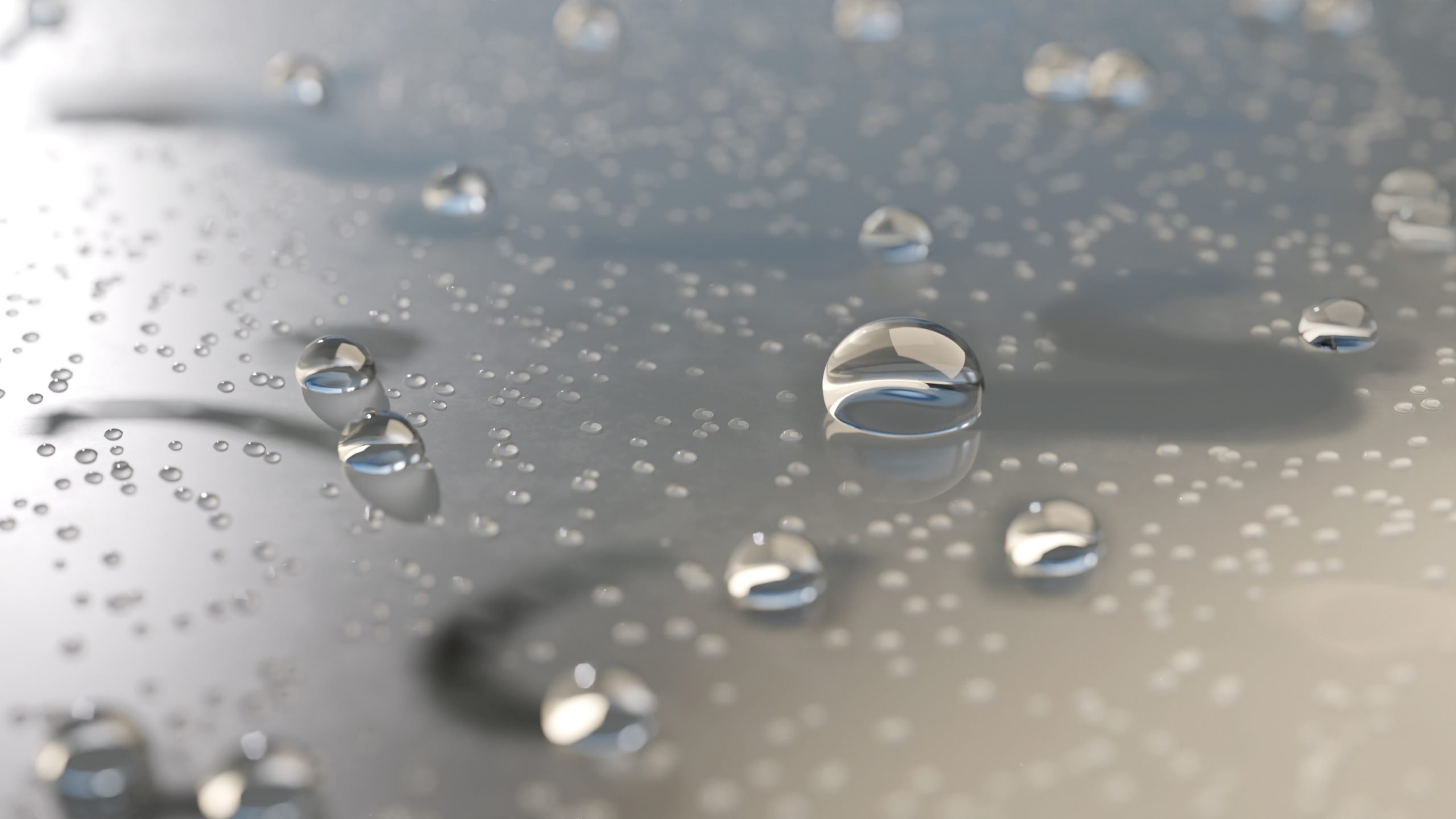
Water droplets work like miniature lenses. When light passes through them, it bends and refracts, giving you that magical glow and unexpected reflections. Think of them as tiny magnifying glasses that add drama and sparkle to an otherwise ordinary scene.
Adding Drama and Mood
Want your shot to look dreamy, dramatic, or mysterious? A misty rain on a windowpane or tiny droplets on a flower petal can add mood faster than any editing software.
How to Create Water Droplet Effects
Natural vs Artificial Droplets
You don’t need to wait for a rainy day to get droplet shots. You can create them anytime!
Rain and Mist
If nature blesses you with rain, take advantage of it. Misty mornings, fog, and dew drops on grass are a gift for photographers.
Spray Bottles and Droppers
No rain? No problem. Grab a spray bottle, mist your subject lightly, and voilà—instant droplets. Droppers can also create larger, well-defined beads of water.
Best Subjects for Water Droplet Photography
Flowers and Plants
Flowers look magical when adorned with water. A rose covered in morning dew looks straight out of a fairytale.
Glass Surfaces
Windows, glasses, or bottles with droplets can create moody, cinematic vibes. Perfect for rainy-day portraits.
Macro Photography
Up close, droplets reveal details invisible to the naked eye. With a macro lens, each droplet becomes its own little world.
Lighting Techniques for Water Droplets
Backlighting for Glow
Placing a light source behind the droplets makes them sparkle like diamonds. Backlighting enhances transparency and highlights every curve.
Using Flash for Crystal-Clear Drops
A gentle off-camera flash can freeze droplets in motion or make static drops look crisp and detailed.
Composition Tips When Using Water Droplets
Rule of Thirds with Droplet Focus
Don’t just center your droplet. Use the rule of thirds to position it creatively, drawing the viewer’s eye naturally.
Playing with Reflections Inside Drops
One of the coolest tricks is capturing reflections inside a droplet—like a flower reflected upside down inside the bead of water. Tiny worlds in every drop!
Creative Ideas to Experiment With
Droplet Refraction (Mini World Inside a Drop)
Try placing your subject behind the droplet so that it appears inside the drop. This creates a magical “miniature universe” effect.
Portraits with Water Effects
Shoot through a droplet-covered window for dramatic, cinematic portraits. It adds mystery, emotion, and mood.
Abstract and Artistic Approaches
Go wild! Cluster droplets, blur backgrounds, and play with colors for abstract water-art photography.
Common Mistakes to Avoid
Overcrowding the Scene
Less is more. Too many droplets can make your photo look messy rather than artistic.
Poor Lighting Choices
Avoid harsh direct light—it flattens droplets. Soft, diffused light works wonders.
Editing and Post-Processing Droplet Shots
Enhancing Clarity
Sharpen droplets selectively to make them stand out while keeping backgrounds soft and dreamy.
Playing with Saturation and Contrast
Boost colors gently to highlight droplets, especially on flowers or leaves, without overdoing it.
Recommended Gear for Droplet Photography
Lenses for Close-Ups
A macro lens is your best friend for droplet shots. But even a nifty 50mm with extension tubes can do wonders.
Tripods for Stability
For sharp, crisp images—especially in macro—a tripod is essential. It helps avoid hand-shake blur when shooting tiny details.
Final Thoughts
Photography tip 81 is proof that creativity doesn’t need expensive gear. Sometimes, all it takes is a spray bottle and a curious eye. Water droplets are nature’s way of gifting you little crystal balls—use them to tell stories, add emotion, and elevate your images.
FAQs
Q1: Can I capture water droplets with just a smartphone?
Yes! Most modern smartphones have excellent macro modes. Just use a steady hand or mini tripod.
Q2: What’s the best time of day for natural water droplet shots?
Early morning is perfect because of dew and soft golden light.
Q3: Do I need a macro lens for droplet photography?
Not always. A regular lens can work, but a macro lens brings out the fine details.
Q4: How do I avoid glare on droplets?
Use diffused light or a polarizing filter to reduce unwanted reflections.
Q5: Can I use oil instead of water for droplet shots?
Yes, oil droplets create a different look and float longer on surfaces—great for creative abstract shots.
✨ Looking for more creative photography tips? Explore CameraTale.com for hands-on guides, beginner-friendly tutorials, and unique tricks to level up your shots.