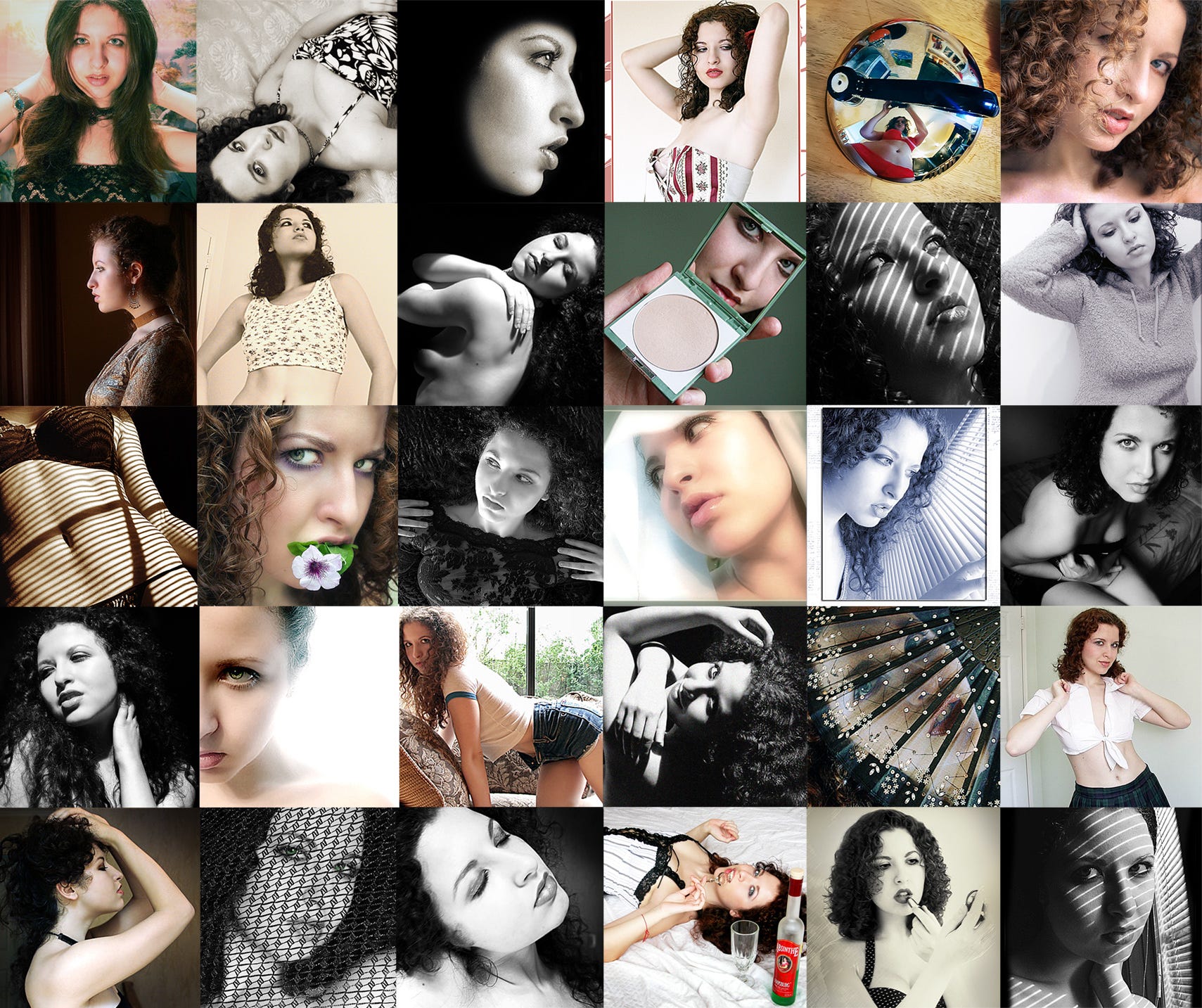

Welcome to personal photography — where your camera becomes a diary, and every frame is a line in your life’s story. If you’ve ever looked through photos and felt a jolt of recognition — not just “that’s pretty,” but “that’s me” — you’ve touched the heart of what this craft can do. This article walks photographers (that’s you) through how to shape images into stories, how to find your voice, and how to share photos that actually mean something. Ready? Let’s make pictures that speak.
Why Personal Photography Matters
Photography is more than technical settings; it’s empathy and memory sculpted in light. Personal photography captures who you are — your habits, obsessions, jokes, wounds, joys. It’s how we translate messy human life into readable images. For photographers, practicing personal photography sharpens visual instincts, improves storytelling, and builds a portfolio that shows why you shoot — not just how. Think of it as the difference between collecting postcards and writing a memoir.
Finding Your Visual Voice
Everyone starts by copying. That’s fine. But the goal is to stop copying and start conversing — with your subjects, with viewers, and with yourself. Your visual voice is the combination of recurring themes, preferred colors, framing choices, and emotional tone. Ask: what do I notice first? Shadows, hands, empty chairs, the curve of a street? Those obsessions are your vocabulary. Hone them.
Understanding Story vs. Snapshot
A snapshot freezes a moment. A story connects moments. A snapshot: a friend mid-laugh. A story: the set of three images that show the barbecue, the joke, and the quiet afterward. Stories create context and emotional arcs. Train your eye to look for beginnings, middles, and ends inside the ordinary.
Developing a Personal Vision
Start by cataloging images you love — your own and others’. Note patterns: are you drawn to warm tones, minimalism, or candid smiles? Then set tiny projects to reinforce that taste. A personal vision grows from repetition and restraint: pick a handful of techniques and repeat them until they become expressive, not merely habitual.
Tools & Gear: What Really Helps Your Story
Gear can be seductive (“If only I had that lens…”). But the heart of personal photography is decision-making. A simple kit often beats a complicated one because limitations force creativity. That said, some tools genuinely help communicate a story.
Choosing the Right Camera & Lens
You don’t need the latest body. A reliable camera that feels like an extension of your hands matters more. Lenses shape storytelling: wide angles give context and environment; 35mm and 50mm lenses are intimate and versatile for personal work; longer primes isolate subjects and compress background detail. Pick a lens and shoot with it for months — intimacy grows with familiarity.
Accessories That Matter (and Those That Don’t)
Useful extras: a comfortable strap, spare battery, simple reflector, and a small notebook (for captions and thoughts). Fancy tripods, multi-flash setups, and gimbal rigs are sometimes overkill for personal projects. Keep tools that protect your process, not distract from it.
Composition Techniques for Storytelling
Composition is the language of images. The same object framed differently tells a different story — like casting an actor in different lighting. Below are practical rules with the permission to break them.
Rule of Thirds & When to Break It
The rule of thirds is a great starting point: place your subject on a grid intersection to create balance. But sometimes centering the subject — or deliberately chopping off a head — conveys instability, intimacy, or defiance. Know the rule, then decide why you’ll ignore it.
Leading Lines, Framing & Negative Space
Leading lines pull the viewer through the image — a road, a gaze, a railing. Framing (doorways, windows) creates a portrait-within-a-portrait. Negative space gives the subject room to breathe and emphasizes loneliness or calm. Use these tools to direct emotion, not just aesthetics.
Using Color and Light as Narrative Devices
Color and light are mood-makers. Warm golden tones feel nostalgic; cool blues can suggest distance. High contrast creates drama; soft light suggests tenderness. Think of light as your narrator’s voice, and color as the tone of the sentence. When you edit, nudge color and contrast to match the story you want to tell.
Working with People — Portraits That Reveal
People are complex subjects. A portrait that reveals something true is often less about pose and more about trust. Ask questions, make jokes, and be okay with awkward silence — those moments crack open the human shell.
Posing vs. Candid: Which Tells More Truth?
Posed photos give control and clarity; candid frames often capture surprise and vulnerability. The best approach blends both: encourage movement, ask someone to do something small (like tie a shoe or tell a memory), then shoot the transition. That’s where truth often lives.
Creating Comfort and Trust
Simple gestures build trust: explain what you’re doing, ask for permission, and let the subject lead sometimes. Show previews on your camera if appropriate — seeing their own image can relax people and produce better photos. Remember: a photograph is a collaboration.
Environmental & Contextual Storytelling
Place matters. A person in a bare studio reads differently than the same person in a cluttered kitchen. Use surroundings to deliver backstory — trophies, cookware, paint-splattered jeans. Details anchor emotion and reveal character.
Small Details, Big Meaning
A pair of worn sneakers, a coffee ring on a book, a child’s scribble — these are tiny time capsules. Photographs of details often carry more narrative weight than broad vistas because they suggest choices and habits. Sequence close-ups with wider shots to build context.
Editing and Sequencing: The Second Chapter
Editing is where the story tightens. The same raw shots can be sequenced in many ways to tell wildly different narratives. Think of editing as writing: you reorder sentences until the paragraph sings.
Building a Photo Sequence or Essay
Decide the arc: introduction, complication, resolution. Start strong with a clear image, use middle frames to develop complexity, and end with a resonant closing shot — sometimes simple, sometimes ambiguous. A strong series leaves the viewer with curiosity, not exhaustion.
Basics of Editing for Mood & Consistency
Keep color grading consistent across a series. Use contrast and saturation deliberately to match mood. Crop tightly to remove distractions. Resist the impulse to “fix” everything; small imperfections often humanize an image.
Using Captions, Titles and Short Text
Words and images are old friends. A small caption can unlock context, provide an unexpected twist, or gently nudge interpretation. Use titles to frame a series’ theme; keep captions concise — they’re support, not a substitute for visual storytelling.
Common Mistakes to Avoid
- Treating every picture like a portfolio shot — not a story.
- Over-editing to hide weak composition.
- Chasing gear instead of vision.
- Neglecting consent and ethics.
Exercises to Build Your Personal Photography
Build muscle through short, focused exercises. They force decision-making and build confidence.
30-Day Personal Photo Project
Choose a theme (hands, morning routines, windows) and shoot daily for 30 days. Keep notes on what you felt and what worked. By day 30, patterns emerge and voice clarifies.
The “Three-Frames” Exercise
For a single subject or scene, make three frames: wide/context, medium/action, close/detail. This teaches you to look at scale and narrative layers.
Sharing, Feedback & Growing an Audience
Publishing your personal work can feel exposing. Choose platforms that match your goals: Instagram for quick visual reach, a website or blog for longer essays, and print zines for tactile storytelling. Don’t chase likes — chase honest conversations.
Social Media vs. Long-Form Platforms
Use social media to attract attention and direct viewers to longer-form pieces where context lives. A single image can go viral, but a photo essay builds trust and depth over time.
Getting Useful Feedback
Ask specific questions when you request critiques: “Does this series feel cohesive?” rather than “Do you like it?” Join critique groups that value growth. Filter feedback — not all praise or criticism is useful.
Ethical Considerations & Consent
Respect subjects’ dignity. Always seek consent when photographing people, and be mindful about sharing images of vulnerable individuals. Consider cultural sensitivity, and if an image could harm someone’s safety or privacy, don’t publish it. Ethics are part of your craft.
Conclusion
Personal Photography is a lifelong conversation between your eyes and the world. It’s less about perfect technique and more about curiosity, patience, and honesty. Start small: pick a lens, choose a theme, and shoot with intention. Over time you’ll build a visual language that’s unmistakably yours. The best stories aren’t the ones that show everything — they’re the ones that reveal just enough to make us feel. Now pick up your camera and tell one.
FAQs — Five Unique Questions About Personal Photography
Q1: How do I start a personal photography project if I feel overwhelmed?
Begin with one small, familiar subject (your morning coffee, your neighborhood, a pet). Shoot three frames daily for two weeks and reflect on what surprised you.
Q2: Do I need expensive gear to tell personal stories?
No. A consistent eye and regular practice matter far more than gear. Use what you have and learn to see.
Q3: How long should a photo essay be?
There’s no magic number. A tight, 6–12 image sequence often works well; longer essays require tighter editing and a stronger arc.
Q4: Can personal photography be commercial?
Yes. Personal projects often lead to commercial opportunities because they show your unique voice, which clients seek.
Q5: How do I protect subjects’ privacy while sharing work online?
Obtain consent, blur or crop identifying details if necessary, and consider private galleries for sensitive material.
-
CameraTale.com helps photographers master personal photography with practical tips, storytelling guides, and creative projects.
-
Discover how to turn everyday moments into powerful images that truly tell your story.