
Why the Right Photographer Makes or Breaks Your Day
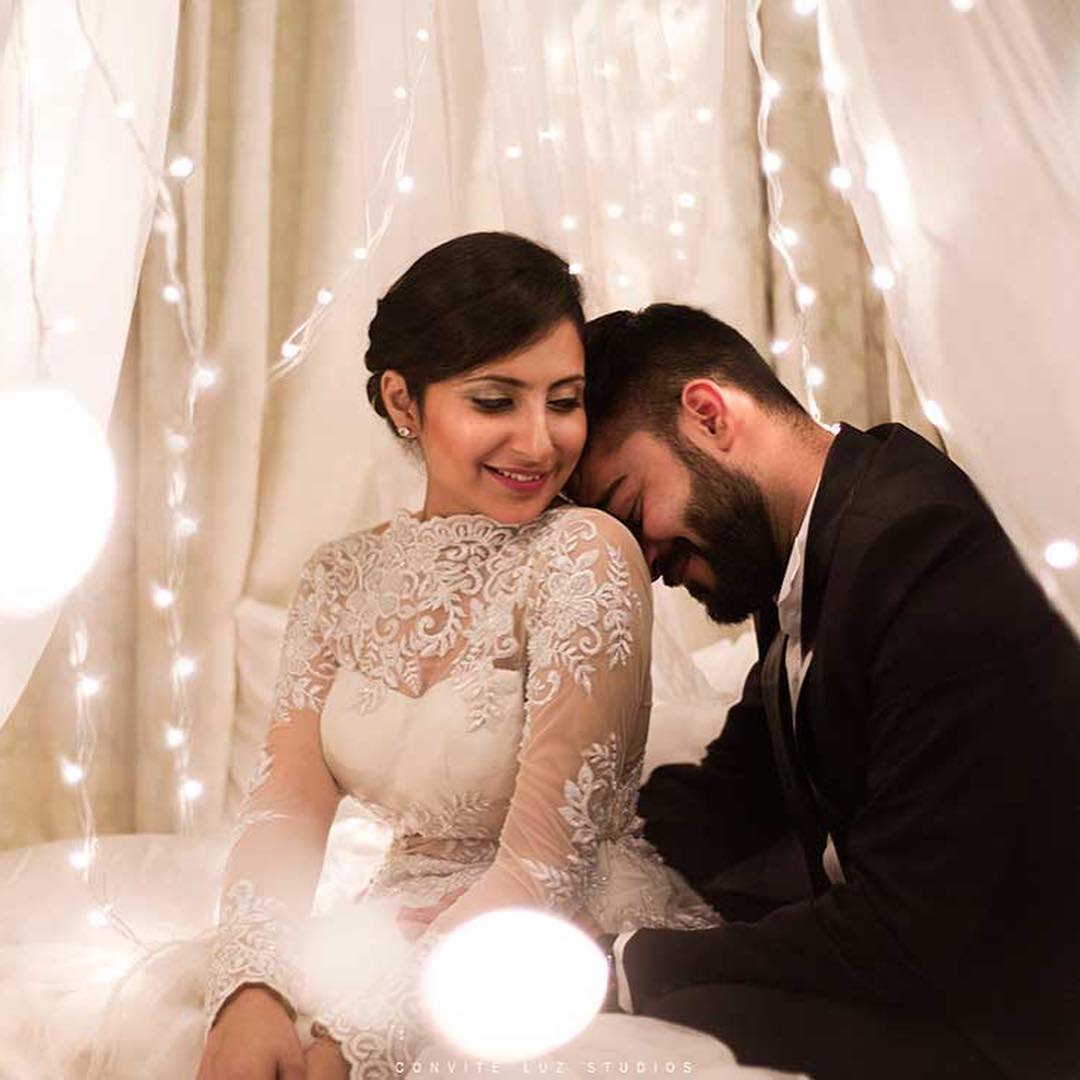
On your wedding day the photographer is part artist, part logistics manager, and part memory-keeper. They capture the laughter in corners you weren’t watching, the subtle glances, and the messy moments that make the event real. A great photographer blends into the background when needed and takes charge when timing is tight. In short: they shape how you’ll remember the day. That’s emotional ROI you can’t ignore.
Emotional, technical, and storytelling roles
Think of wedding photography as three stacked responsibilities:
- Emotional — capturing candid feelings that last.
- Technical — handling light, movement, and weather without panic.
- Storytelling — sequencing images so your album reads like a short film.
When interviewing, assess how a photographer balances these three.
Set Your Budget and Priorities
Before you start scrolling portfolios, decide how much of the overall wedding budget you’re comfortable allocating to photography. A common rule-of-thumb: photography often takes 10–15% of total wedding spend—but priorities vary. If photos are your lifelong keepsake, invest more. If you prefer to splurge on the venue or cuisine, be clear that price will be a top filter.
What usually influences pricing
Factors that affect price include: photographer’s experience and reputation, number of hours, number of shooters, travel, post-production time, and physical products (albums, prints). Don’t forget taxes and potential venue fees.
Non-negotiables vs nice-to-haves
Decide which items are non-negotiable (e.g., full-day coverage, second shooter) and which are nice-to-have (e.g., same-day slideshow, high-end album). That clarity saves time and money.
Define Your Style (and Use it to Filter Candidates)
“Style” is the fastest way to filter hundreds of portfolios down to a handful of photographers who might be the right match. Are you drawn to moody, film-like tones or bright, airy images? Do candid documentary photos make your heart beat faster or do you want cinematic, posed portraits? Use style words in your search: photojournalistic, editorial, fine art, lifestyle, cinematic.
Photojournalistic vs posed vs editorial
Photojournalistic = observational, natural. Posed = classic, controlled portraits. Editorial = stylized and dramatic. Most pros blend styles — ask to see examples of each.
Portfolio Deep Dive: What to Look For
A highlight reel can be misleading. Ask to see full wedding galleries, not only the best images. Full sets show consistency, storytelling, and how the photographer handles the entirety of a day — the bouquet toss, reception lighting, and the 20-minute golden hour, not just the 3 hero shots.
Why full wedding galleries matter
Full galleries reveal consistency in color grading, ability to cope with low light, and how they approach unpredictable moments. If every full wedding looks great, the photographer is delivering reliable results — not just cherry-picked highlights.
Consistency, lighting, and storytelling
Scan for evenness in exposure, how they handle mixed light (indoor/outdoor), and whether the album flows narratively. If portraits look staged in every gallery, that’s their signature — not a fault, but be sure it matches your taste.
Questions to Ask During the Consultation
Go into the consult with a short script. Here are the essential questions that reveal capability and fit.
Availability, packages, and customization
- Are you available on our date?
- What packages do you offer and can they be customized?
- How many hours of coverage does each package include?
- Is a second shooter included or available?
Backup plans and contingency
- What happens if you’re sick or there’s an emergency?
- Do you have backup equipment and insurance?
- What is your policy for weather-related schedule changes?
Experience, Team & References
Experience matters in two ways: technical familiarity with venues and calm problem solving on the day. If your venue is known for tricky lighting (glass atrium, backlit ceremonies), ask if they’ve shot there before. Request client references or vendor referrals (planners, venues). A credible photographer will happily share them.
Second shooter, assistants, venue familiarity
A second shooter captures parallel moments (groom prep, guest reactions) and gives more coverage. Ask who the second shooter will be and to see their work.
Client references and vendor referrals
Contact a recent client or two and ask: Did the photographer deliver on time? Were they professional? Did they miss any promised shots? Vendor referrals (e.g., your planner) also indicate reliability.
Gear, Lighting & Backup Systems
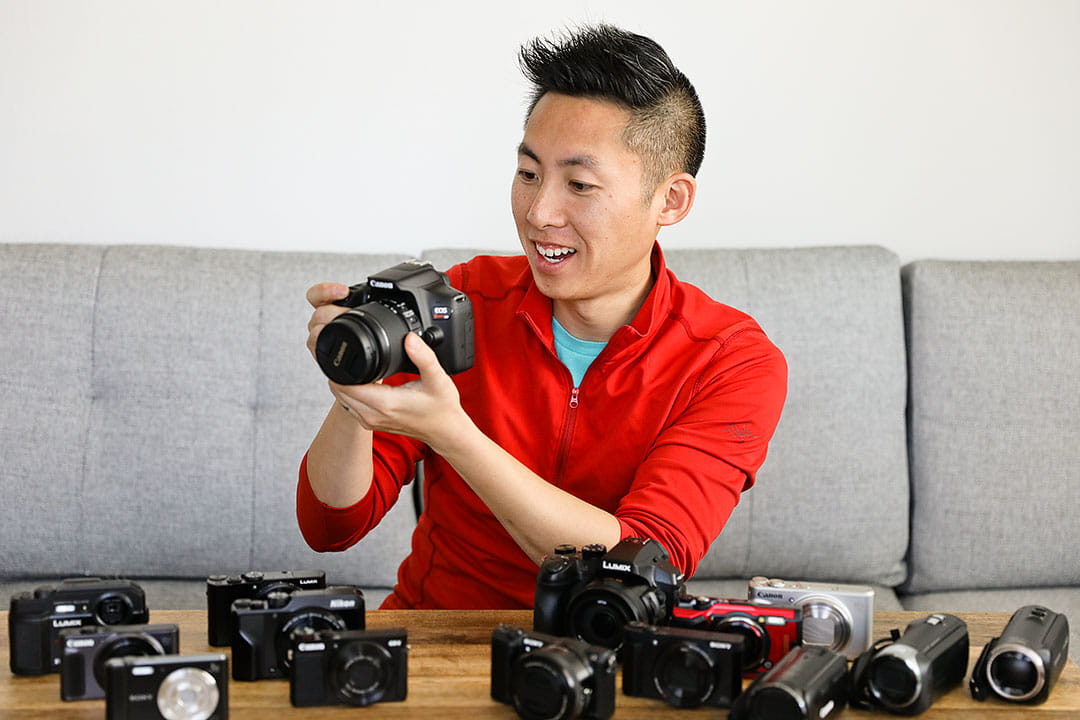
While the brand of camera is less important than skill, you do want to confirm redundancy. Ask about backup bodies, lenses, and flash systems. Good photographers carry spare cards, batteries, and at least one backup camera.
Why gear matters (and when it doesn’t)
Gear matters in challenging light (indoor evening receptions, dark churches) and for particular looks (telephoto for candid portraits, prime lenses for creamy bokeh). But don’t hire on gear alone—hiring is about how they use it.
Shot List & Timeline Planning
Build a practical shot list with your photographer but avoid turning it into a police report. Prioritize the must-haves (parents’ portraits, first look, cake cutting) and leave room for spontaneity.
Must-have shots vs creative moments
Must-haves: ceremony, first kiss, family formals, first dance. Creative moments: candid guests, details, unconventional portraits. Aim for a 60/40 balance — 60% planned, 40% open for magic.
Sample shot list
- Pre-ceremony: detail shots (dress, rings, invitations), bride/groom prep.
- Ceremony: walk down aisle, exchange of vows, first kiss.
- Portraits: family groups, couple portraits (golden hour).
- Reception: introductions, first dance, speeches, cake, dancing.
Engagement Session & Pre-wedding Shoots
These sessions are both rehearsal and relationship-building. They help you loosen up in front of the camera and let the photographer learn what you love about being photographed. Many pros credit engagement shoots with better wedding-day results.
Benefits and how to use the images
Use engagement photos for save-the-dates, guest books, social posts, or ceremony programs. If your photographer offers one free with certain packages, it’s often worth taking.
Contract, Rights & Deliverables
Never hire without a contract. Critical items to confirm: exact deliverables (number of edited images), delivery timeline, image format (high-res/low-res), copyright usage, and cancellation terms.
What a solid contract includes
- Names, dates, and locations.
- Detailed package description.
- Payment schedule and deposit amount.
- Cancellation and rescheduling policy.
- Model release and image usage terms.
- Backup and substitution clause.
Image rights, licensing, and usage
Most photographers retain copyright while granting you usage rights for personal use. If you need commercial use (e.g., vendor promotions), negotiate separate licensing and compensation. Make sure the contract explicitly states what you can and can’t do with the images.
Post-production, Editing Style & Turnaround
Ask how many rounds of edits are included and whether heavy retouching costs extra. Understand the timeline: galleries can take 4–12 weeks depending on season and workload. Ask for a delivery estimate in writing.
Retouching, amount of images, color grading
Clarify whether color grading is consistent across images and whether selective retouching (blemish removal, teeth whitening) is standard. Confirm the expected number of final edited photos.
Albums, Prints & Final Products
Decide if you want an heirloom album or simple digital delivery. Albums take more time and cost more, but they’re the most durable family keepsake. If ordering prints through a pro lab, ask about proofs and paper types.
Physical products vs digital galleries
Digital galleries are convenient for sharing; physical products (albums, framed prints) are lasting. Many couples pick both: a complete digital gallery plus a curated album.
Payments, Deposits & Cancellation Policies
Typical structure: non-refundable deposit to secure the date (often 25–50%), final payment due before or on the wedding day, and additional fees for travel or overtime. Confirm refund policy in case of cancellation.
Day-of Logistics & Communication
Assign a point person (wedding planner, maid of honor) to answer logistical questions so the photographer can stay focused. Share a clear timeline and family portrait list in advance. Create a quick WhatsApp or phone chain for last-minute updates.
Point person, timeline updates, shot cues
Make sure the photographer knows who to find for family groups, when to cue speeches, and where the ceremony coordinator will be. This avoids frantic searches mid-reception.
Final Checklist Before You Sign
Quick pre-sign checklist:
- Date confirmed and deposit received.
- Written contract with deliverables and timelines.
- Proof of insurance and backup plans.
- Sample full wedding gallery provided.
- Confirmed second shooter (if applicable).
- Payment schedule and cancellation policy clear.
Sample Wedding Day Timeline & Checklist (Quick Template)
09:00 — Bride prep (detail shots, getting ready).
10:00 — Groom prep (candids).
12:00 — First look / portraits.
13:30 — Ceremony.
14:00 — Family photos (20–30 mins).
15:00 — Couple golden hour portraits.
17:00 — Reception introductions, speeches.
18:00 — First dance and cake cutting.
20:00 — Dancing/late-night candids.
Use this as a base and adapt to your vendor timings.
Conclusion
Hiring the right wedding photographer is equal parts practical checklist and gut feeling. Start with style and budget, drill into portfolios and full galleries, ask the right questions, lock the legal and backup details in a contract, and keep communication sharp the week of the wedding. The best photographers are problem solvers who make the day feel easy and who return a gallery that reads like a story — your story. Use the checklist above, adapt the sample timeline, and you’ll be positioned to hire someone who delivers memories, not just photos.
Frequently Asked Questions (FAQs)
Q1 — How far in advance should we book a wedding photographer?
A: Ideally 9–12 months for popular dates, but 6 months can work for off-season or weekday weddings. If you’re planning a destination wedding or peak season date, book as soon as possible.
Q2 — Do we really need a second shooter?
A: A second shooter is highly recommended for medium to large weddings — they capture parallel moments (groom prep, guest reactions) and free your lead photographer to work creatively. For very small elopements, one skilled photographer may suffice.
Q3 — What is a reasonable turnaround time for final images?
A: Most photographers deliver a sneak peek within 48–72 hours, and full galleries in 4–12 weeks depending on season and post-production workload. Get a delivery estimate in the contract.
Q4 — Can we request edits or re-edits after delivery?
A: Many photographers include basic color correction and minor retouching. Extensive re-edits (major object removal, heavy retouching) often cost extra. Clarify the revision policy before signing.
Q5 — What’s the best way to make sure family photos run smoothly?
A: Prepare a concise family shot list and assign a family coordinator (a relative or planner) to gather people. Limit posed family groups to the essentials to keep the day moving and maximize candid coverage.
CameraTale.com is your go-to hub for expert photography tips, guides, and resources to elevate your shots. Discover tutorials, reviews, and inspiration for wedding, portrait, and travel photography.