
Photography can seem like a mix of magic and math, but once you understand ISO, shutter speed, and aperture, it’s a whole lot less intimidating. If you’ve ever wondered why your photos turn out grainy, blurry, or overexposed, this guide will simplify things. Think of it as the ISO shutter speed aperture explained blueprint for photographers of all levels.
What is ISO in Photography?
ISO is your camera’s sensitivity to light. Imagine it like adjusting the volume on your camera’s light “ears.” Low ISO numbers (100-400) are less sensitive, producing cleaner, sharper images, while high ISO numbers (800-6400+) are more sensitive but can introduce grain or noise.
How ISO Affects Your Images
A low ISO is perfect for bright daylight shots, ensuring crisp details. Higher ISO is your best friend in dim environments, but watch out for noise. Think of ISO as trading smoothness for brightness—find the right balance and your photos will sing.
Choosing the Right ISO for Different Scenarios
Sunny day? Stick to ISO 100-200. Indoor shots? ISO 400-800 usually works. Night photography or concerts? ISO 1600 and above may be necessary. Pro tip: modern cameras handle higher ISO better, but always check for noise.
Demystifying Shutter Speed
Shutter speed is the amount of time your camera’s sensor is exposed to light. Think of it as the blink of an eye. A fast shutter freezes motion, while a slow shutter creates motion blur, which can be used creatively in your photos.
How Shutter Speed Influences Motion
Fast shutter speed (1/500s or faster) freezes action—perfect for sports or wildlife. Slow shutter speed (1/30s or slower) can turn moving water into a silky dream or capture the light trails of cars at night.
Tips for Adjusting Shutter Speed in Different Conditions
Handheld shots in low light? Avoid going below 1/60s to prevent blur. Using a tripod? Slow it down for stunning long exposures. Always remember: shutter speed affects not just exposure but also motion portrayal.
The Role of Aperture in Photography
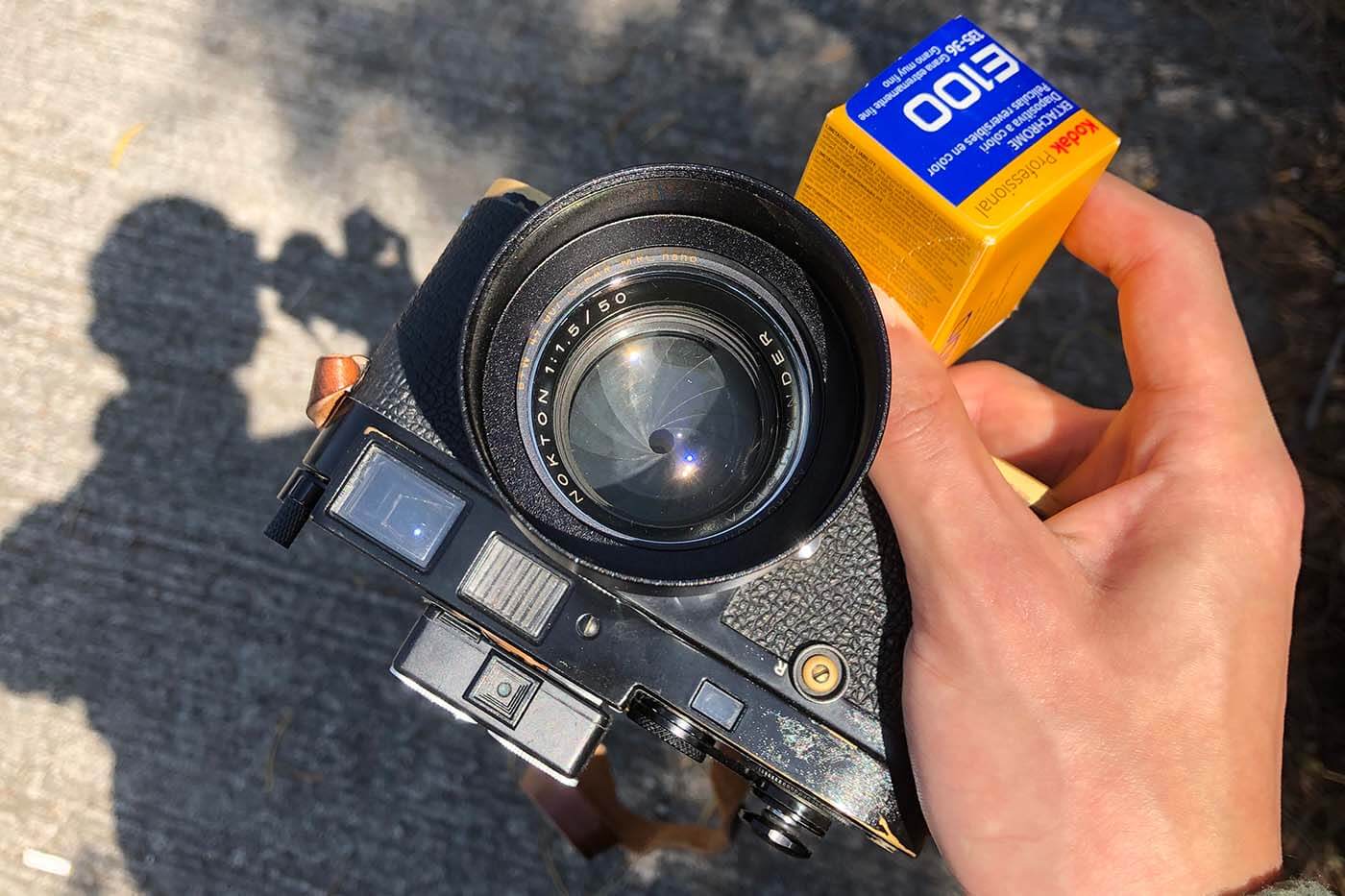
Aperture controls the size of the lens opening, affecting how much light enters. Think of it like the pupil in your eye—bigger in the dark, smaller in the bright. Aperture also shapes your depth of field, affecting how much of the image is in focus.
Aperture and Depth of Field
Wide apertures (f/1.2 – f/2.8) create shallow depth of field, blurring backgrounds beautifully. Narrow apertures (f/11 – f/22) keep everything sharp from foreground to background—great for landscapes.
Creative Uses of Aperture in Lifestyle Photography
Portraits? Use a wide aperture to make your subject pop. Street photography? Narrow aperture ensures details all around. Playing with aperture can transform mundane shots into cinematic moments.
How ISO, Shutter Speed, and Aperture Work Together
The exposure triangle explains how these three elements interact. ISO, shutter speed, and aperture must be balanced for proper exposure. Adjusting one affects the others, so learning the dance between them is key.
Practical Tips for Balancing the Triangle
If you increase ISO, you can afford a faster shutter or smaller aperture. Want a blurry background but still freeze action? Increase ISO and open your aperture. Experimentation is your best teacher.
Common Mistakes Photographers Make
Even experienced photographers stumble. Overexposed photos are usually due to ignoring the exposure triangle. Blurry shots happen when shutter speed is too slow. Grainy images often come from unnecessarily high ISO.
Overexposed and Underexposed Photos
Overexposed photos look washed out, losing details. Underexposed photos are too dark, hiding details. Understanding the interplay of ISO, shutter speed, and aperture prevents these common pitfalls.
Blurry or Grainy Images
Blurry photos = slow shutter + handheld shots. Grainy photos = high ISO when low ISO could’ve worked. Simple tweaks can save many “lost” shots.
Tips for Beginners to Master ISO, Shutter Speed, and Aperture
Start in auto mode and watch how your camera adjusts. Gradually switch to manual settings to gain control. Practice in different lighting—your camera is a patient teacher.
Start With Auto and Gradually Move to Manual
Auto is your training wheels. Pay attention to which settings the camera chooses and try replicating them manually.
Practice With Everyday Scenarios
Take photos at different times of the day, indoors, outdoors, with movement. Each experiment teaches you how ISO, shutter speed, and aperture interact.
Advanced Techniques Using ISO, Shutter Speed, and Aperture
Ready to elevate your photography? Long exposure, night photography, and creative blurs require mastery of the triangle. These advanced techniques make your photos stand out.
Long Exposure Photography
Capture flowing rivers, moving clouds, or light trails. Use a tripod, low ISO, and a narrow aperture to achieve that dreamy, ethereal effect.
Low-Light and Night Photography Tips
Increase ISO moderately, open aperture wide, and slow your shutter speed. Combine with a tripod for sharp, vibrant night scenes.
Conclusion
Mastering ISO, shutter speed, and aperture is like learning the alphabet of photography. Once you understand them, you’ll have the freedom to capture any scene exactly how you envision it. Remember, practice is the bridge between theory and stunning photos. Your journey from shaky shots to pro-level images begins here.
FAQs
Q1: What is the best ISO for beginners?
A1: Start with ISO 100-400; adjust higher only in low-light situations.
Q2: How do I avoid blurry photos?
A2: Use faster shutter speed, stabilize your camera, or increase ISO.
Q3: Should I always shoot with a wide aperture?
A3: Not always; it depends on whether you want shallow depth of field or everything in focus.
Q4: Can I shoot in manual mode as a beginner?
A4: Yes, start by tweaking one setting at a time and observe results.
Q5: How do I balance the exposure triangle effectively?
A5: Adjust one setting at a time and see how it affects brightness, motion, and depth of field.
- Explore in-depth photography tutorials at cameratale.com and master ISO, shutter speed, and aperture effortlessly.
- Boost your photography skills with practical tips and easy-to-understand guides on cameratale.com.