

Fine Art Photography has never been static. Like a river that keeps carving new banks, the medium has shifted—technically, aesthetically, and culturally—since the 19th century. If you’re a photographer (or simply love photography), this guide will take you from the earliest dazzle of daguerreotypes to the conceptual, pixel-rich work of today. Expect history, technique, practical advice, and a few provocative questions: What makes a photograph “fine art” anyway? And how do you find your place in that lineage?
Introduction: Why Fine Art Photography Matters
Photography started as a way to capture facts; over time it became a way to explore meaning. Fine art photography treats the camera as more than a recorder — it treats it like a brush, a pen, or a stage. For photographers, it’s about authorship and voice: what you say, how you say it, and why it matters. For collectors and viewers, it’s about the emotional and conceptual resonance an image holds beyond the literal subject.
A Brief Timeline: Key Eras in Fine Art Photography
Before we deep-dive, here’s the elevator-pitch timeline: early technical invention → pictorialist painting-influence → modernist “straight” photography → color and documentary expansion → digital revolution → conceptual and multimedia practices. Each leap in technology or taste reshaped how photographers framed the world.
Early Beginnings (1830s–1890s): The Birth of an Art Form
The invention of processes like the daguerreotype (1839) and calotype gave us the first permanent images. These early portraits and landscapes felt miraculous — a frozen fragment of time. At first photography was seen as a mechanical service (portraits, documentation), but artists and inventive technicians quickly started to experiment with composition, lighting, and hand-finishing to make images that read like paintings.
Pictorialism and the Classic Aesthetic (1890s–1920s)
Pictorialism treated photography like painting: soft focus, painterly retouching, and expressive printing. The goal? To prove to galleries that photography could possess the same expressive depth as oil on canvas. Think of it as photography trying on the clothes of the fine arts — elegant, romantic, and subjective.
Modernism and Formal Experimentation (1920s–1960s)
A counter-movement arose: straight or modernist photography. Photographers emphasized clarity, form, and the camera’s unique strengths — texture, contrast, and framing. Documentary approaches, street photography, and experimentation with lines and geometry broadened the language of the medium.
Techniques & Technologies That Shaped the Medium
No discussion of evolution is complete without the tech. The visual language of photography is inseparable from the tools used to make it.
Darkroom Craft: From Albumen to Silver Gelatin
Early processes (albumen, salt prints) each produced distinct tonalities. The silver gelatin print, a 20th-century mainstay, allowed for cleaner blacks and greater detail. Mastery of the darkroom was once the hallmark of a fine art photographer — dodging, burning, and chemical manipulation were creative acts in their own right.
The Rise of Color and New Processes
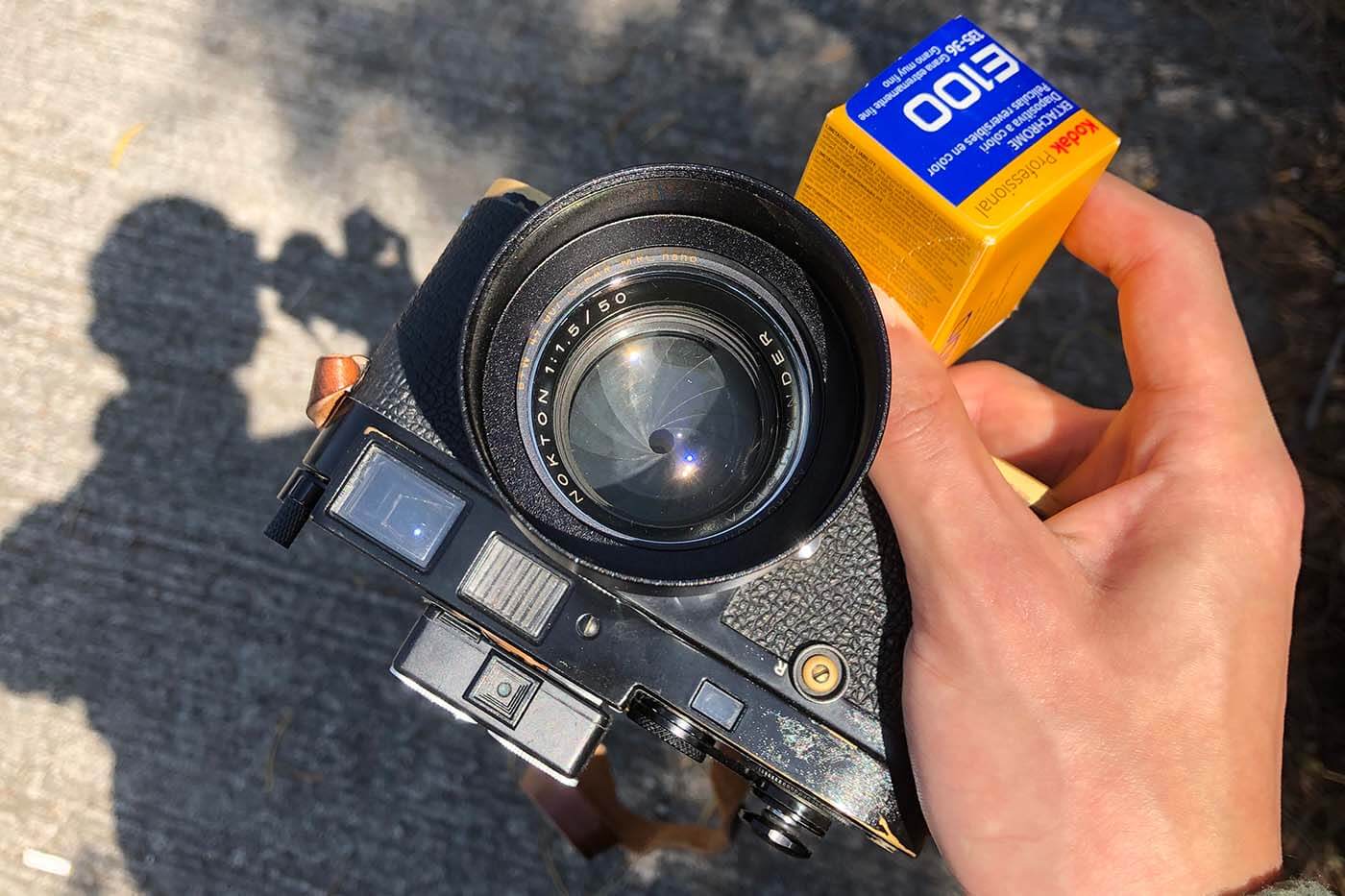
Color film (Kodachrome, Ektachrome) opened new expressive possibilities. Color shifted the conversation: saturation, hue, and color contrast became compositional tools. Later, alternative processes (cyanotype, platinum/palladium) reintroduced tactile, craft-forward methods that many contemporary artists still adopt for their aesthetic and archival qualities.
Archival Printing & Conservation
A fine art photograph isn’t just about taking a great shot — it’s also about making that shot survive. Archival papers, pigment inks, and proper mounting preserve both the visual quality and market value. Museums and collectors demand stability: prints that will last decades without fading.
The Digital Revolution: Pixels, Software, and New Possibilities
The arrival of digital sensors rewired photography. Suddenly the cost-per-shot dropped, workflows sped up, and post-production moved from craft darkrooms to software interfaces.
From Film to Sensor: Changing the Workflow
Shooting digital changed habits: immediate feedback, higher ISO usability, and the ability to shoot large volumes. The camera became more forgiving, allowing photographers to experiment rapidly — but it also demanded new discipline in curation.
Post-Processing as Creative Language
Editing software turned retouching into an expressive language. RAW processing, selective adjustments, compositing, and color grading let artists shape mood and narrative in ways darkrooms once allowed, but with far more precision and possibilities. The question shifted from “Did you shoot it?” to “How did you construct the final image?”
Conceptual and Contemporary Practices
Today, fine art photography often intersects with ideas more than mere aesthetics. Conceptual photographers stage scenes, build narratives, and interrogate identity, society, and memory.
Staged Photography & Conceptual Narratives
Photographers use staging to blur identity and fiction. These images are less about documenting reality and more about storytelling — like a short film paused at a decisive moment. That narrative potency is a major currency in contemporary fine art.
Mixed Media, Installation, and Expanded Boundaries
Photography now lives on walls, in installations, and as part of multimedia pieces. Photographs are printed, layered, projected, and combined with sculpture. The “objectness” of photography — the print, the mounting, the scale — is as important as the image itself.
Market, Institutions, and the Collector’s Eye
How photography is valued depends a lot on institutions and markets. Galleries, biennales, and museums translate cultural value into monetary and historical value.
Gallery Representation and Museum Acceptance
Over the 20th century, museums slowly accepted photography as fine art. That institutional recognition created a secondary market, collectors, and academic scrutiny — all of which shaped what photographers aimed to produce.
The Role of Curators and Critics
Curators and critics select narratives that become canonical. Their choices influence which photographers enter the historical record and which trends gain prominence. For emerging photographers, understanding curatorial conversations can guide strategic decisions about a body of work.
How to Approach Fine Art Photography Today (Practical Tips)
If you’re a photographer wondering where to begin, here are practical steps that respect both craft and concept.
Building a Cohesive Body of Work
One striking image can wow, but a coherent series tells a story. Think in series: repeat themes, consistent visual language, and a clear point of view. Your series is your argument — make it focused.
Creating an Artist Statement and Portfolio
Words matter. An artist statement clarifies intent for curators and buyers. Pair a concise statement with a clean portfolio (digital + print), and prioritize quality printing for physical shows.
Printing, Presentation, and Exhibitions
Decide how your work is best experienced: large archival prints, small editions, framed or unframed, in a gallery or an online slideshow. Presentation shapes perception.
Ethics, Authenticity, and Copyright
Photography’s power raises responsibility. Authenticity and credit are central.
Manipulation vs. Honesty
Is heavy Photoshop manipulation dishonest? Not necessarily. Intent and disclosure matter. In documentary contexts, heavy manipulation can be ethically problematic. In fine art, manipulation is often part of the concept. Be clear about your practice.
Attribution and Copyright Considerations
Protect your work with clear copyright notices and consider registering important works. Licenses and model releases matter, especially when images are commercialized.
Future Directions: What’s Next for Fine Art Photography?
The future will be hybrid — technical, conceptual, and material shifts will continue.
AI, Generative Tools, and Questions of Authorship
AI tools already reshape image-making. They raise questions about authorship, originality, and value. The photographers who integrate AI thoughtfully — using it as collaborator rather than crutch — will likely set new directions.
Sustainability & Materiality
Expect more focus on sustainable printing, non-toxic processes, and ethical sourcing. Material choices will become part of the artist’s message, not just logistics.
Conclusion
From grainy plate glass to high-resolution prints and algorithmically generated composites, Fine Art Photography has evolved into a pluralistic, idea-driven field. Its history is both technical and philosophical: new tools open new questions, and new questions drive creative solutions. If you’re a photographer, consider this a permission slip — you can draw from any era, any process, and any theory to find your voice. The medium’s richness lies in that freedom.
FAQs
Q1: What exactly defines “Fine Art Photography” compared to other photography?
A: Fine art photography prioritizes the artist’s intent, concept, and authorship. It’s less about documenting fact and more about expressing an idea, emotion, or aesthetic vision.
Q2: Do I need to shoot on film to make fine art photographs?
A: No — film can be a creative choice, but fine art is defined by concept and execution, not by medium. Film offers a particular look and process; digital offers other strengths. Choose what serves the work.
Q3: How important is printing for fine art photographers?
A: Very important. A museum-quality print communicates the work’s seriousness and longevity. Presentation affects reception and market value.
Q4: Can heavy digital manipulation still be considered fine art?
A: Absolutely. In fine art, manipulation is a tool. What matters is conceptual clarity and honesty about your methods when context requires it.
Q5: How do I start building a career in fine art photography?
A: Build a strong, cohesive body of work, create a clear artist statement, print your best images, network with curators and galleries, and enter juried shows. Consistency and clarity of vision matter most.
-
CameraTale.com brings photographers inspiring guides, tips, and insights into fine art photography and creative expression.
-
Explore tutorials, trends, and resources designed to help you master the craft and showcase your unique photographic vision.